
Access to funding opportunities
Become better prepared to apply for suitable grants, loans, and development programmes, subject to each funder's requirements.

Working together, growing together, and building sustainable farming businesses. We help small-scale farmers and community groups understand, register and grow their cooperatives.
A cooperative is a business owned and controlled by a group of people who come together to meet shared economic, social and business needs.
In farming, a cooperative lets farmers share resources, reduce costs, access opportunities and improve their income — working towards common goals and making decisions democratically.
For example: five farmers form a cooperative to grow vegetables, buy seed and fertiliser in bulk, share equipment, package their produce, and supply supermarkets, schools and restaurants.
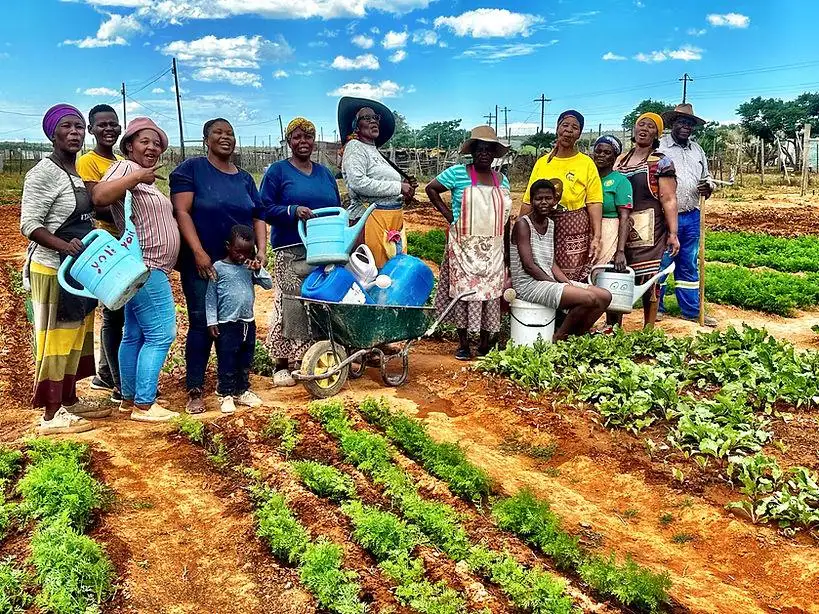
Teamwork, good leadership, proper records and a clear business plan. Each member has a role to play.
Members agree on what they want to achieve, such as vegetable production, poultry farming, livestock production, food processing, or marketing agricultural products.
Members elect a management committee according to the cooperative's constitution and applicable laws. Leaders help coordinate activities and report back to members.
Members contribute as agreed, which may include money, labour, land access, equipment, skills, or other resources. Responsibilities should be clearly agreed upon.
The cooperative produces goods or provides services, keeps financial records, manages expenses, finds customers, and works towards generating income.
Members benefit from the cooperative's services and business activities. Any surplus is handled according to the law, the cooperative's constitution, and decisions made by members.
Become better prepared to apply for suitable grants, loans, and development programmes, subject to each funder's requirements.
Work together to supply retailers, schools, restaurants, hospitality businesses, and other customers.
Buy farming inputs in bulk and share certain resources.
Access business training, agricultural training, financial management, and mentorship opportunities.
Build a stronger foundation for expanding production, creating jobs, and improving household income.
Combine members' skills, knowledge, and resources to pursue opportunities that may be difficult to access individually.
Cooperatives are registered through the Companies and Intellectual Property Commission (CIPC), in line with the Cooperatives Act and its regulations. If your group isn’t registered yet, we can guide you through it.
Identify people who share a common business goal. Discuss the type of cooperative you want to establish and agree on what the group intends to achieve.
Choose a suitable name that represents your business and prepare alternative names in case your preferred name is unavailable.
Prepare the founding members' information and agree on the initial leadership structure. The number of founding members and the proposed structure must meet the legal requirements for your chosen type of cooperative.
Prepare the founding documents, including the cooperative's constitution or prescribed founding document, member details, and any other information required for the application.
Submit the relevant application and supporting documents to CIPC through the applicable registration process. In Our Handz can assist with preparation and guidance.
Once CIPC approves the application, keep the registration certificate and related documents safely. Check the registered details for accuracy.
Develop a business plan, organise financial records, establish appropriate banking arrangements, agree on member contributions, and identify the markets and support opportunities relevant to your business.
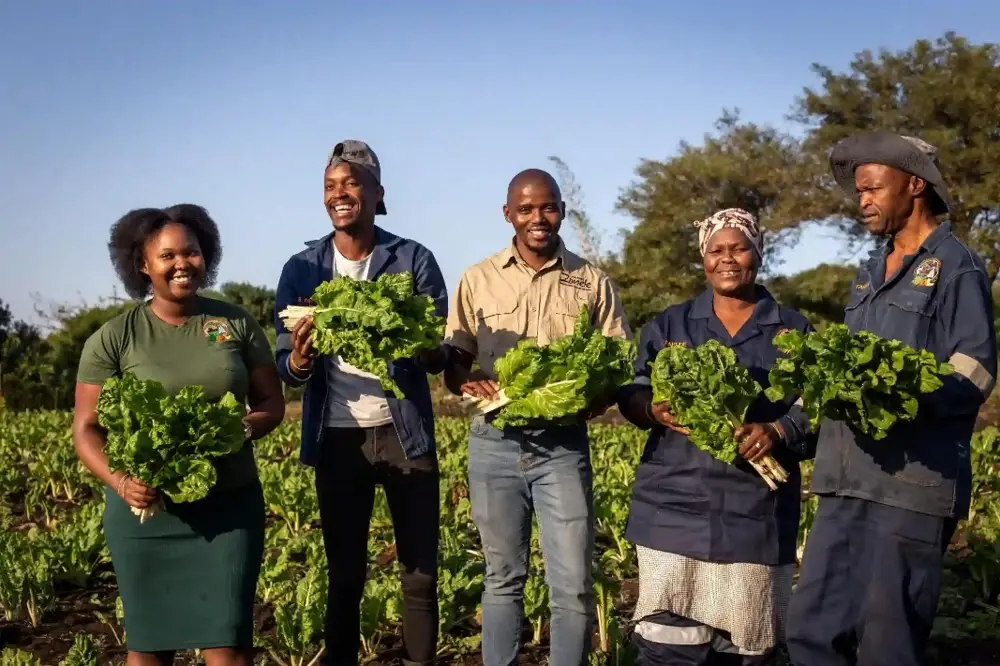
Registration is only the beginning. A cooperative also needs to run properly, keep accurate records and build a sustainable business.
Support to improve crop production, livestock activities, and agroecological farming practices.
Assistance with understanding registration requirements and organising relevant documents.
Linkages to potential buyers, training providers, development partners, and funding opportunities where available.
Guidance on business plans, recordkeeping, financial management, and cooperative governance.
Bring what you have — it helps us understand your needs.
Organised farmers are better placed to access skills, resources and markets. Whether you’re starting a new cooperative or improving an existing one, we’re here to guide you.
In your message, please tell us: are you registered, still planning, or need registration help? Your group name, number of members, main activity (crops, livestock/poultry, food processing, mixed) and the support you need.